
30
May
They cause extremely heavy rain. Hurricanes form over warm ocean waters near the equator.
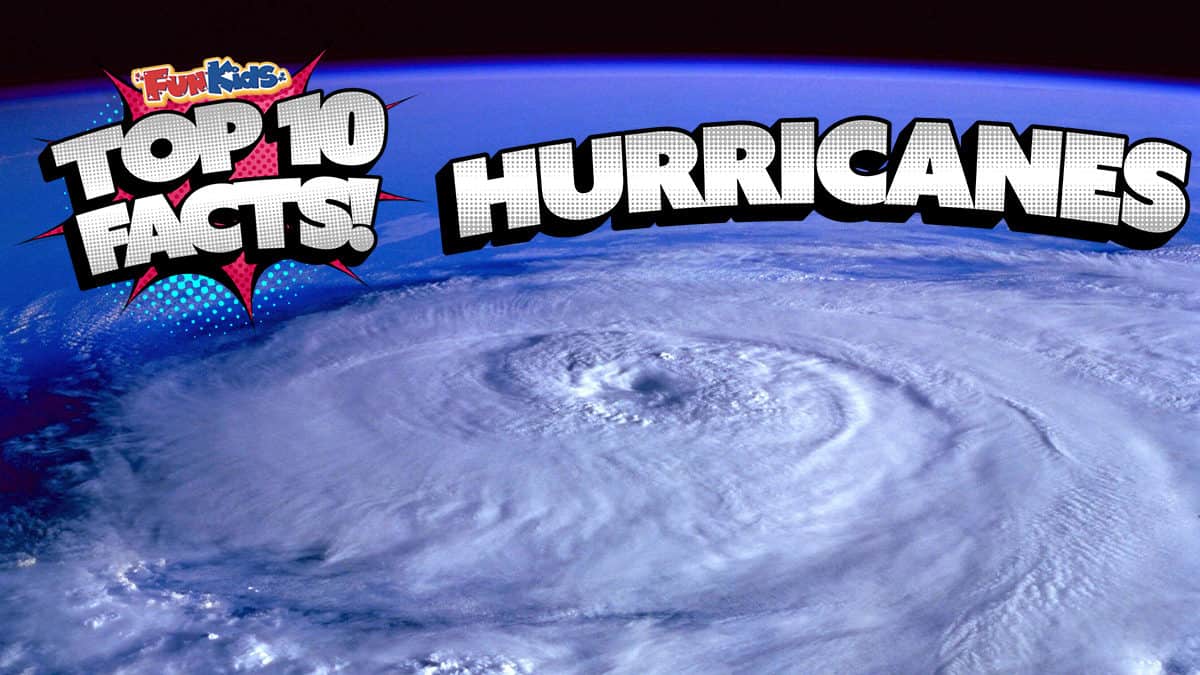
Hilarious facts about hurricanes. A single hurricane stirs up millions of miles of air and can dump more than 24 trillion gallons 9 trillion liters of rain a day. It is estimated that rainfall from Hurricane Florence could reach 40 inches in isolated areas of coastal North Carolina. By comparison Washington DC averages 40.
The 11 facts you want are below and the sources for the facts are at the very bottom of the page. After you learn something Do Something. Find out how to take action here.
Hurricanes are large spiraling tropical storms that can pack wind speeds of over 160 mph and unleash more than 24 trillion gallons of rain a day. Hurricanes are giant tropical storms that produce heavy rainfall and super -strong winds. Hurricanes form over warm ocean waters near the equator.
The warm moist air above the ocean surface rises causing air from surrounding areas to be sucked in. Hurricanes usually form in tropical areas of the world. Hurricanes develop over warm water and use it as an energy source.
Hurricanes lose strength as they move over. 10 Incredibly Strange Facts About Hurricanes. Fact checked by Jamie Frater.
Natural disasters reveal something about humanity. When a storm sends 49 billion kilograms 108 billion lb of water flying through 251 kilometer-per-hour 156 mph winds straight into your backyard you learn something about who you really are. Here are more interesting facts about hurricanes.
Hurricanes are powerful tropical storms or cyclones that occur in the Atlantic Ocean and the Gulf of Mexico. The hurricanes that form in the Northwest Pacific near Japan are called typhoons and those occurring in the South Pacific or Indian oceans are called cyclones. Hurricanes run on heat but hurricane clouds tower many kilometers into the sky up through the troposphere where most of Earths weather happens.
Major hurricanes have hot towers that can reach the stratosphere. Its cold up there around 51 degrees Celsius 60 F so all that upper hurricane moisture turns to ice and snow. Hurricane Katrina as mentioned was one of the deadliest and most devastating hurricanes to ever hit the US.
One of the big 15 across the Atlantic in 2005 Katrina killed more than 1800 citizens and flooded around 80 of the city of New Orleans. Homes businesses and entire streets were destroyed in the chaos and flooding and it is. Hurricane winds can reach speeds of up to 320 kmh 200 mph This is strong enough to rip up grown trees from the ground and destroy buildings.
They cause extremely heavy rain. A hurricane can unleash more than 9 trillion liters 24 trillion gallons of rain a day. Facts about hurricanes.
Hurricanes that form in the Pacific Ocean are called typhoons. On the other hand those which form in the Indian Ocean are known as cyclones. In the northern Indian Ocean the same storms are called cyclones.
Furthermore Australians have a different name for hurricanes namely willy-willies. Though hurricanes can be one of the most destructive forms of severe weather there are a few misconceptions about them. Heres truth serum for some stubborn myths about hurricanes.
For those who live in the Southeastern part of the US hurricanes are an unfortunate part of life. That being said even for those who deal them every year weve put together 7 interesting facts about hurricanes that you probably didnt know. Hurricanes are very interesting but they are also very dangerous.
They have become so common because of climate change and they are going to be more and more common in the future. Because of that it is good to know more about them and to. Here are some facts about hurricanes that you need to know.
Have you ever experienced a hurricane. If you have then you will soon not forget about it. There is something terrifying in the harsh sounds of the wind and rain beating on your roof.
These are very crucial hurricane facts because the category shows the strength of the storm. The scale of categories is called the Saffir-Simpson Hurricane Scale. These categories are based upon the speed of the wind that the hurricane produces.
First category the storm will have wind speeds from 74-95 miles per hour. General Facts about Hurricanes. As you have learned from these hurricane facts some areas are more prone to hurricanes and Florida is one such state in the US.
There are five different categories according to the Saffir-Simpson Hurricane Wind Scale which determines the. 12 Powerful Facts About Hurricanes. June 1 2019 Updated.
June 19 2020 A hurricane bears down on the US. ZenobillisiStock via Getty Images. Category 1 hurricanes have sustained wind speeds of 74-95 mph.
These are very dangerous winds that can produce some damage. Well-constructed frame homes could have damage to roof shingles vinyl siding and gutters. Large branches of trees will snap and shallowly rooted trees may be toppled.
Previous post
Hilarious facts about indiaNext post
Hilarious facts about humans